How to Become a Blockchain Security Auditor?
- Posted by 3.0 University
- Categories Blockchain
- Date March 20, 2025
- Comments 0 comment
Blockchain Security Auditing
Digital asset security has turned into a must-have these days, especially as blockchain systems continue to catch on.
Blockchain’s complex design, which promises clear transparency and solid security, also comes with some unexpected weak spots that need a closer look.
The piece delves into varied aspects, endeavoring to answer the perennial question “How to become a blockchain auditor?”
Auditing these systems is our way of checking if they’re built to last, comply with industry rules, and fend off potential threats.
Often, auditors mix old-school cybersecurity steps with fresh, blockchain-tailored techniques to spot problems, double-check that transactions stick to expectations, and hold off fraud.
This line of work isn’t just about knowing the basics of blockchain; it also calls for a fair bit of know-how in cryptography and smart contracts.
As highlighted in the image, a good audit generally touches on an intro, breaks down the audit process itself, and even throws in ideas for what might come next mapping out a path for anyone wanting to dive deeper into blockchain security auditing.
Importance of Blockchain Security Audits
Blockchain security is the cornerstone of trust in our digital age. Companies are diving into blockchain technology, and with that come hidden weak spots that call for thorough security checks.
These reviews aren’t just a formality; they’re a hands-on look at smart contracts to make sure the code does its job without accidentally exposing sensitive data or valuable assets.
In most cases, these audits help fend off sneaky cyber-attacks and keep operations aligned with regulations.
The insights you get from digging deep into these systems actually push blockchain frameworks to grow stronger over time, and generally speaking, they make the whole setup more resilient.
If you’re aiming to build a career in blockchain security auditing, getting a solid grip on these evaluations is not only handy but really forms the bedrock of long-term success.
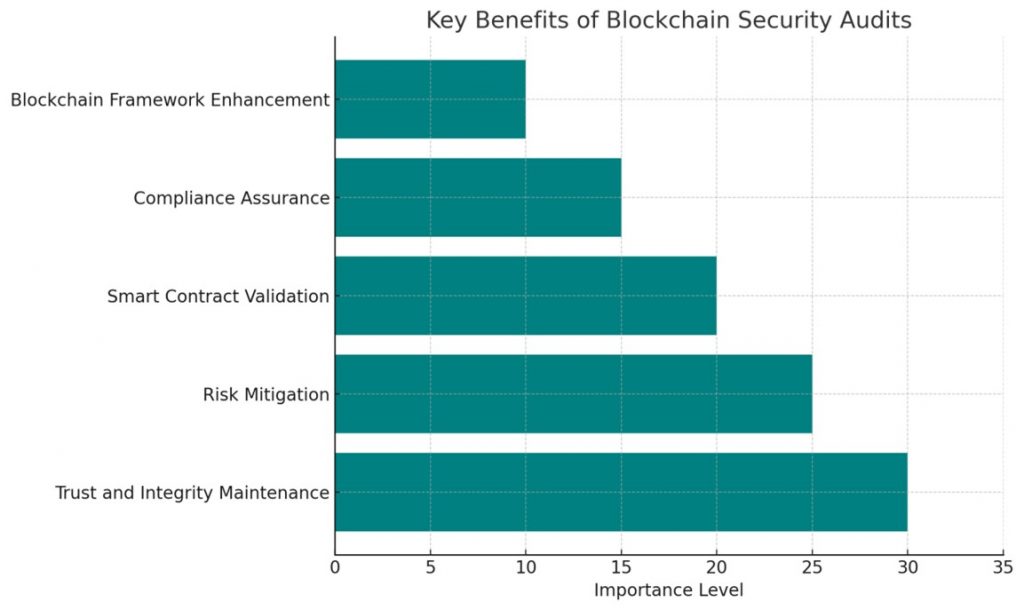
This bar chart illustrates the key benefits of blockchain security audits, highlighting the relative importance of each aspect. “Trust and Integrity Maintenance” is identified as the most significant benefit, while “Blockchain Framework Enhancement” is the least emphasized. The values on the horizontal axis represent the importance levels, allowing for an easy comparison between different benefits.
Skills Required for Blockchain Security Auditors
Blockchain technology is evolving fast, and auditors need a solid mix of skills to keep systems secure and compliant in decentralized settings.
Understanding the basics—like consensus methods and smart contracts—is a must, and in most cases, auditors end up wrestling with unique challenges that don’t pop up in traditional setups.
It’s also important to know programming languages such as Solidity for checking smart contracts; without that, it’s difficult to catch subtle flaws.
Many in the field generally say that stepping into blockchain security auditing isn’t just about grasping blockchain tech—it’s also about being comfortable with smart contract code and even the usual cybersecurity practices.
This blend of abilities, paired with keen analytical skills, lets auditors uncover vulnerabilities and then explain those technical details in reports that everyone can follow.
Plus, tools within broader auditing frameworks—like those shown in the images sometimes provide extra nudge for professionals to stick to best practices and thoroughly inspect blockchain systems.
Skill | Description | Importance | AverageYearsExperience |
Blockchain Technology | Deep understanding of blockchain architecture and protocols | Critical | 3 |
Smart Contract Development | Proficiency in Solidity and other smart contract languages | Essential | 2 |
Cryptography | Knowledge of cryptographic principles and implementations | Very Important | 2 |
Security Analysis | Ability to identify vulnerabilities and security flaws | Critical | 4 |
Programming | Proficiency in languages like Python, JavaScript, and C++ | Essential | 3 |
Key Skills for Blockchain Security Auditors
Responsibilities of Blockchain Auditors
In today’s digital economy, blockchain auditors hold significant importance. They dig into blockchain transactions and smart contracts to check that everything goes as planned and stays within the rules.
They not only verify information but also actively search for any vulnerabilities in the system, a task that requires meticulous attention to detail and robust analytical reasoning.
They also work to nurture trust among all parties by putting together detailed reports and documentation that lay out what they found and even throw in some ideas for fixes.
This meticulous work prevents fraud and enhances the overall reliability of blockchain technology, a significant advantage for companies embracing decentralized systems.
You can see how all these bits fit together in the overview of auditing practices represented in the image, which underlines the steady and thoughtful approach that effective blockchain auditing demands.
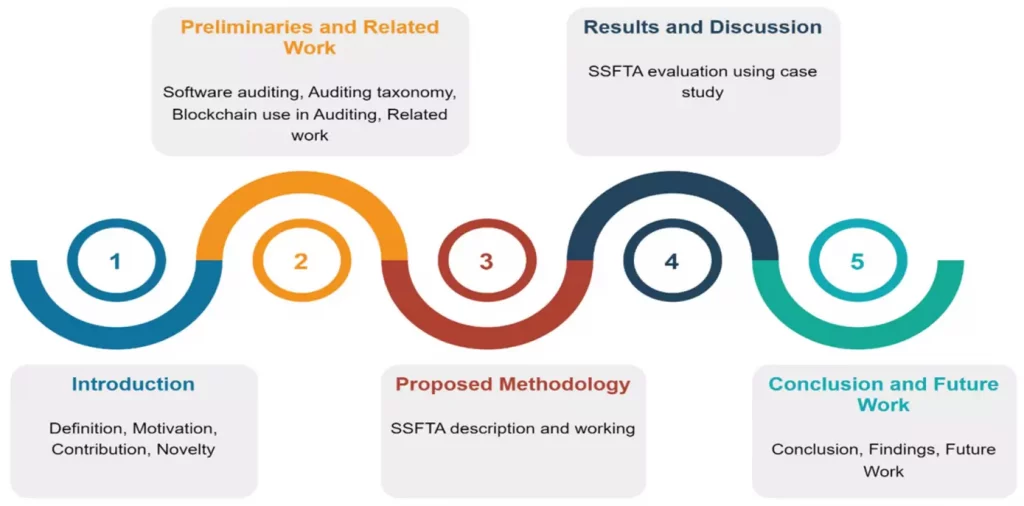
Image1. Overview of Research Paper Structure on Auditing and Blockchain Technology
Responsibility | Description | Importance |
Smart Contract Auditing | Review and analyze smart contract code for vulnerabilities and security flaws | Critical |
Penetration Testing | Conduct simulated attacks to identify weaknesses in blockchain networks | High |
Consensus Mechanism Analysis | Evaluate the security of blockchain consensus algorithms | High |
Cryptographic Assessment | Verify the strength and implementation of cryptographic protocols | Critical |
Compliance Verification | Ensure blockchain systems adhere to relevant regulatory standards | Medium |
Key Responsibilities of Blockchain Security Auditors
Conclusion
Stepping into the world of Blockchain Security Auditing isn’t as straightforward as it might seem; it’s a winding path that mixes deep technical know-how, hands-on experience, and a commitment to learning that never really stops.
Industries and corporations tend to be colossally dependent on reliable blockchain systems, while they tend to embark on the growth path – especially where trust is key; parallelly, the role of the auditor expands in myriad staggering ways.
If one aims at pursuing this career, it’s imperative to master the intricacies of technology and stay abreast of the constantly evolving regulations and emerging threats.
Online blockchain security courses, for instance, often serve as a helpful starting point, giving you the practical skills you need while reinforcing core ideas, sometimes more than once.
There’s also a trend, generally speaking, of blending high-tech tools like artificial intelligence into the audit routine, which can make the whole process a bit more precise and efficient.
A detailed flowchart, especially one focusing on automated transaction testing, kind of ties these advances together, showing in a clear, if sometimes slightly messy, way just how essential the role of a Blockchain Security auditor is in keeping our digital world secure.

You may also like

AI vs Blockchain vs Crypto Careers: What to Choose in 2026?